Survival Foundations
The skills that keep you alive — and the confidence to use them.
Survival Foundations is the starting point for anyone who wants to become more confident, capable, and prepared in the wilderness. This hands-on course teaches the essential skills and priorities needed to handle an unexpected survival situation and make smart decisions when things go wrong. No previous experience required.
What this course is about
Most people who get into trouble in the wilderness aren't reckless — they're unprepared. Survival Foundations is built around that reality. Whether you're a hunter, backpacker, outdoor enthusiast, or simply want to be better prepared, this course gives you the skills and confidence to take care of yourself when the unexpected happens.
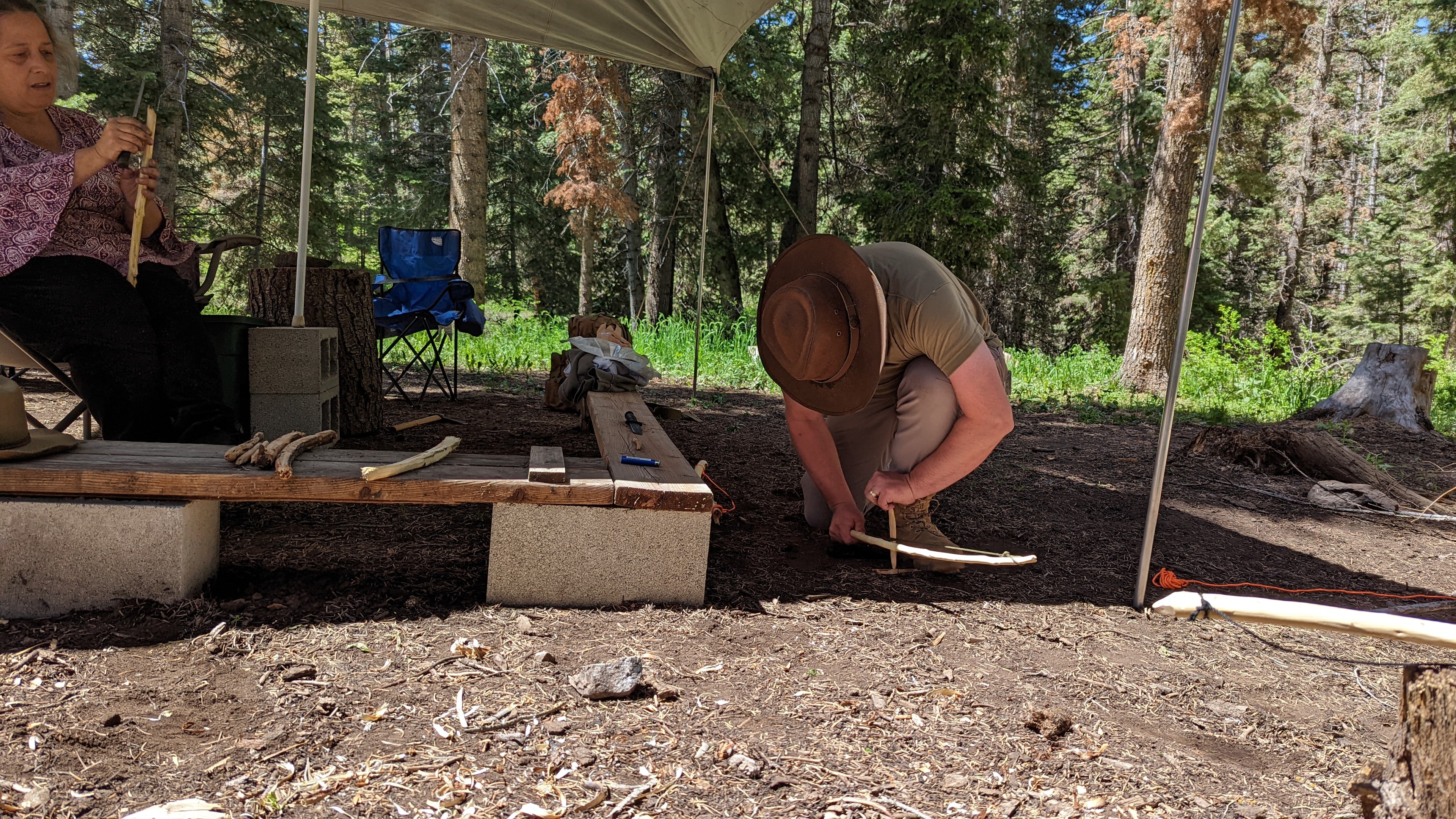
Over two full days in the field, you'll learn and practice the core skills that matter most in a survival situation. We don't lecture from a classroom — you build shelters, start fires, find water, and work through real scenarios with hands-on instruction from Kyle.
You'll leave with a solid foundation of practical skills, a better understanding of how to think under pressure, and the confidence that comes from actually doing the work.
$650
per person · 2-day weekend
- All instruction and field materials
- Shared camp meals
- Course reference guide
- Certificate of completion
Prerequisites: None — open to all

Skills you'll learn
Survival priorities
Understanding the order of survival needs and the psychology of staying calm under pressure.
Emergency shelter
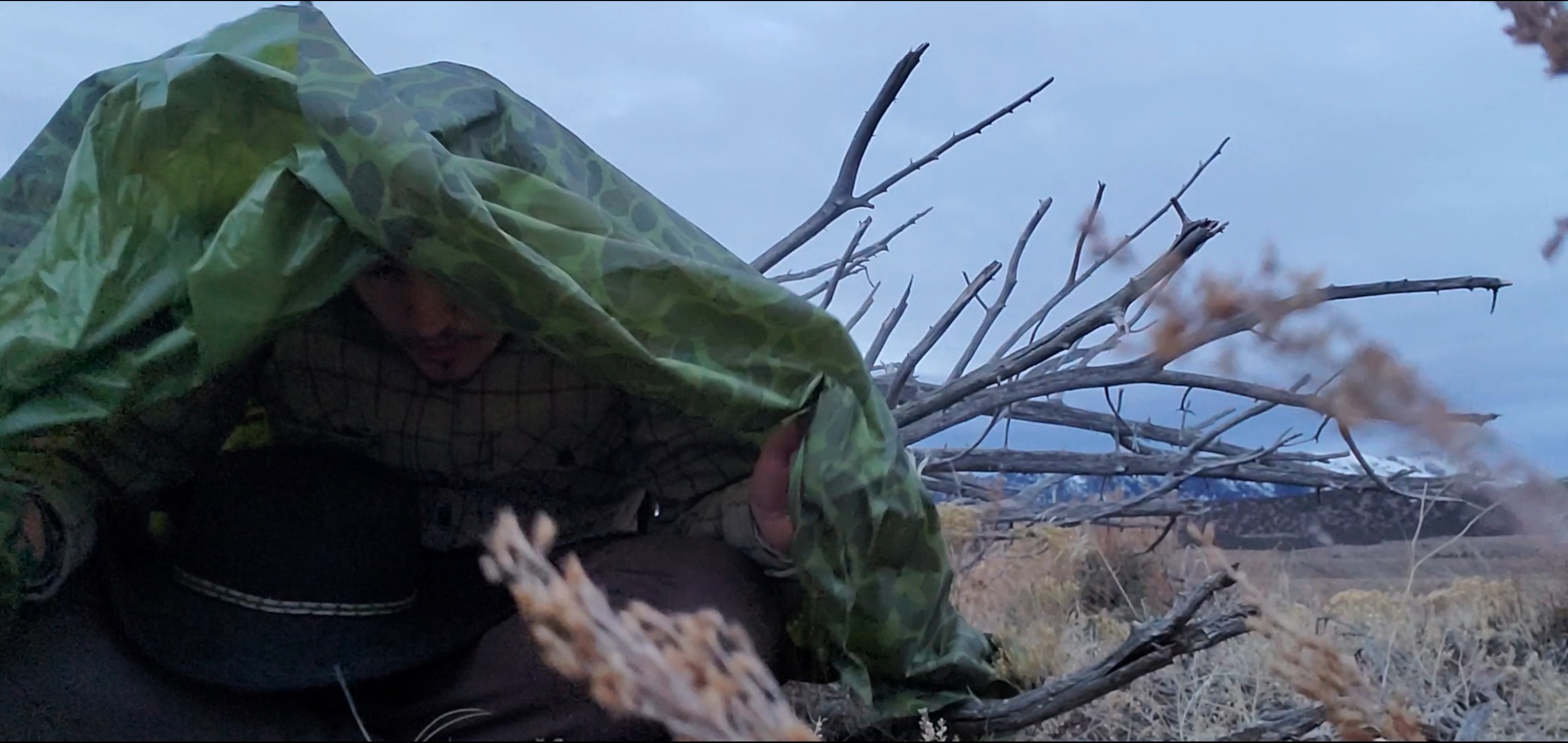
Building effective emergency shelters from available materials to retain heat and stay dry.
Fire starting
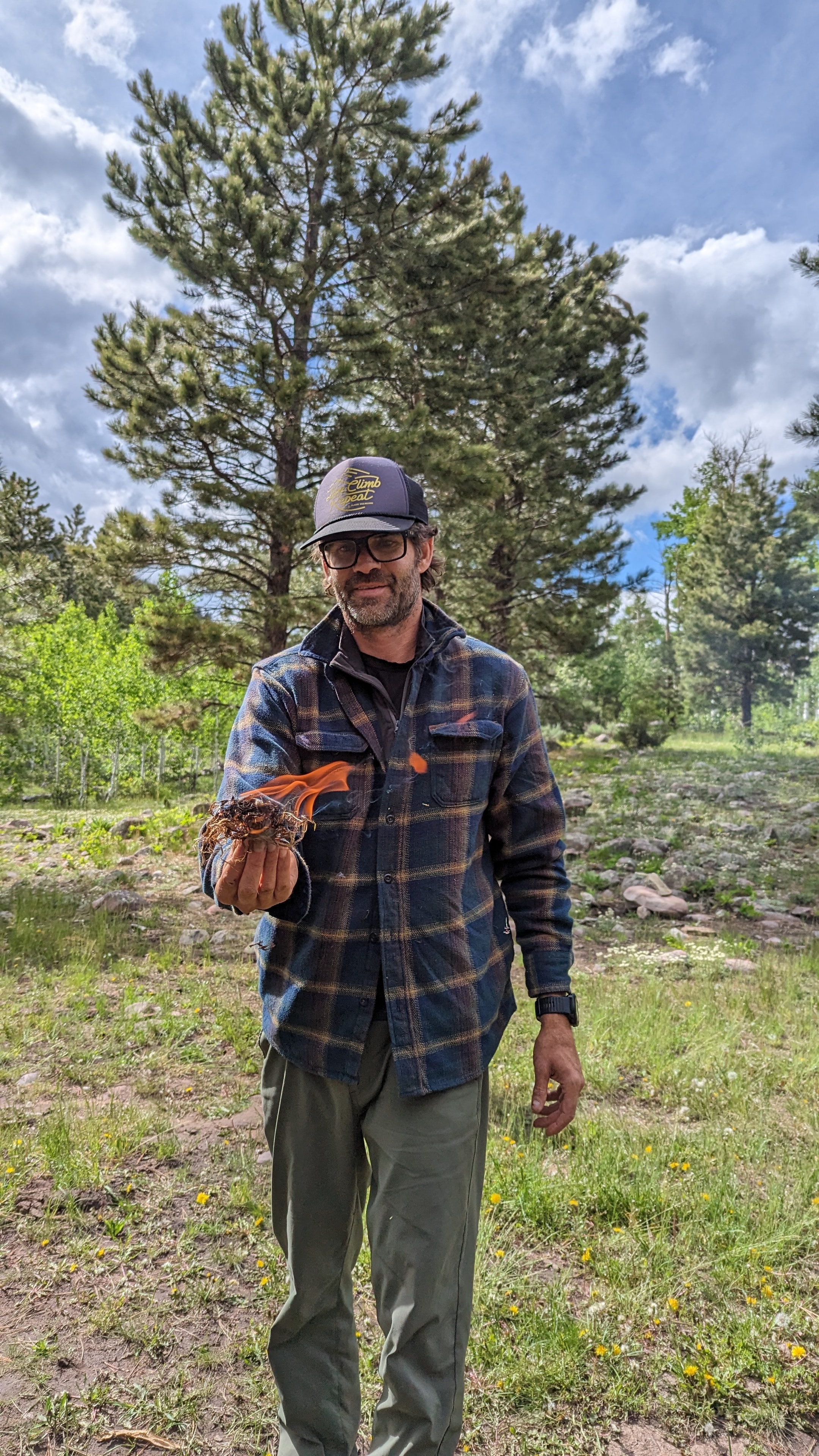
Modern and primitive fire-starting methods including friction fire fundamentals.
Water procurement
Finding, collecting, and purifying water from natural sources safely.
Signaling for rescue
Effective signaling techniques to attract attention and communicate your location.
Gear selection
What to carry, what to leave behind, and how to build a practical survival kit.
Hazard awareness
Identifying and avoiding common wilderness hazards before they become emergencies.
"Less lecture. More dirt. Real skills."
What to expect
Two full days outdoors
Both days are spent in the field. Expect to get dirty, work hard, and learn by doing — not by watching.
Small group instruction
Maximum 12 students means Kyle can work with each person directly and adjust to your pace.
Hands-on from the start
You'll be building, starting fires, and practicing skills within the first hour. No long lectures.
Rain or shine
Courses run in all weather. Learning to work in real conditions is part of the curriculum.
What to bring
This course uses a simple, traditional survival kit. Avoid unnecessary gadgets or specialized survival equipment — the goal is to learn how to get the most out of a small amount of dependable gear.
Required personal gear
- Fixed-blade survival knife
- Ferrocerium rod
- Bic-style lighter
- Single-wall stainless steel water bottle
- Metal cooking cup or small pot
- 25 ft. of 550 paracord
- 25 ft. of tarred bank line
- 6′ × 8′ tarp or simple canvas/oilskin tarp
- Wool blanket
- Large cotton bandanna
- Small compass
- Headlamp or flashlight
- Work gloves
- Small personal first-aid kit
Clothing
Bring clothing appropriate for the season and expected weather. Natural materials such as wool are encouraged whenever practical.
- Durable pants
- Long-sleeve shirt
- Wool or warm insulating layer
- Rain layer
- Wool socks
- Sturdy boots
- Warm hat
- Seasonal gloves
Food
Bring simple food for the duration of the course that requires minimal preparation. Students should be prepared to cook some meals over a fire.
- Simple food for the duration of the course requiring minimal preparation
- Be prepared to cook some meals over a fire
Keep it simple. If you don't need it, don't bring it. Natural materials such as wool are encouraged for clothing whenever practical.
Upcoming dates
Dates for the next round of courses are being finalized. Check back soon or send us a message to get on the notification list.
Get notified when dates openFrequently asked questions
Ready to build real skills?
Survival Foundations is the starting point. Two days, real conditions, skills that last.