
Primitive Thrival
Survival keeps you alive. Self-reliance makes you capable. Thrival teaches you how to live.
Primitive Thrival is the advanced Wilderness Wild experience. This course challenges experienced students to move beyond modern survival techniques and develop the skills necessary to live from the landscape with minimal equipment.
What this course is about
Primitive Thrival is the advanced Wilderness Wild experience. This course challenges experienced students to move beyond modern survival techniques and develop the skills necessary to live from the landscape with minimal equipment.
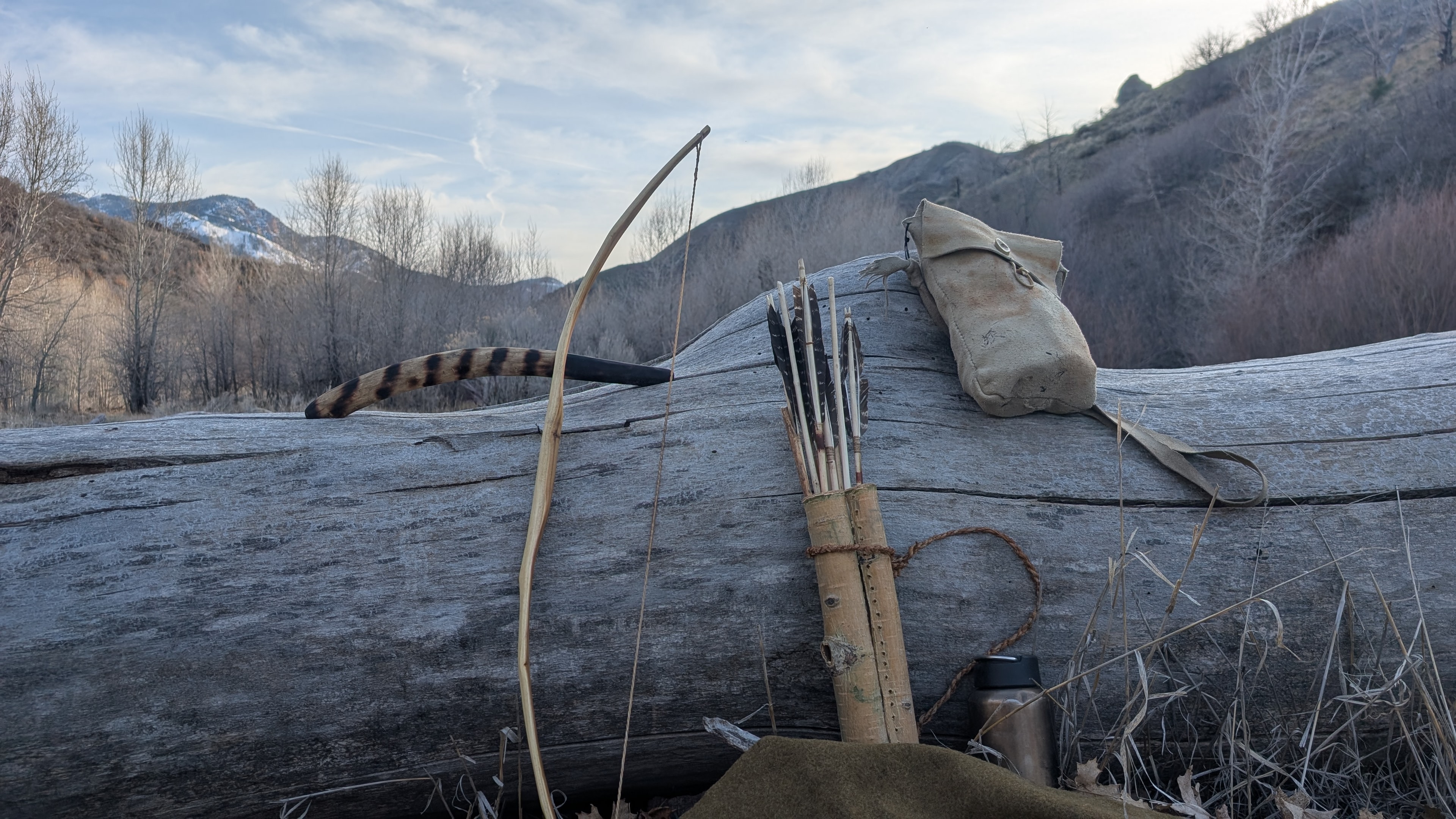
Students work extensively with primitive and ancestral skills — friction fire, natural shelters, cordage, stone tools, primitive hunting tools, wild resources, natural containers, food procurement, wilderness travel, and long-term campcraft. Manufactured equipment is reduced as students learn to replace gear with knowledge, skill, and materials gathered from the land.
Primitive Thrival is intentionally challenging. Students should arrive with a solid understanding of basic survival skills and be prepared for physical work, discomfort, problem-solving, and extended time outdoors. The objective isn't simply to endure the wilderness. It's to develop the skills and mindset to live well with less.
$650
per person · 2-day weekend
- All instruction and field materials
- Foraged and field-prepared meals
- Course reference guide
- Certificate of completion
Prerequisites: Wilderness Self-Reliance or demonstrated intermediate experience
Skills you'll learn
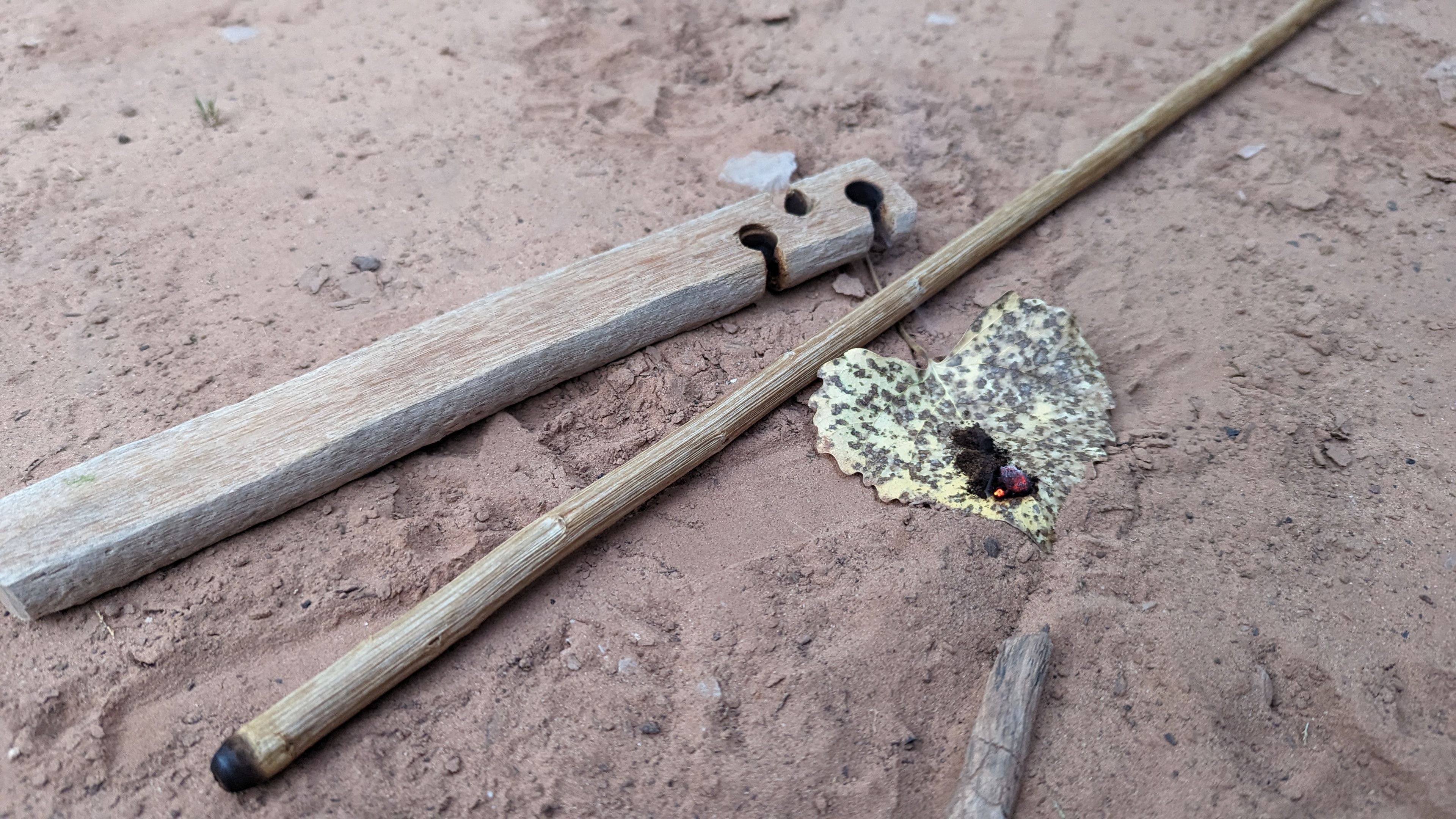
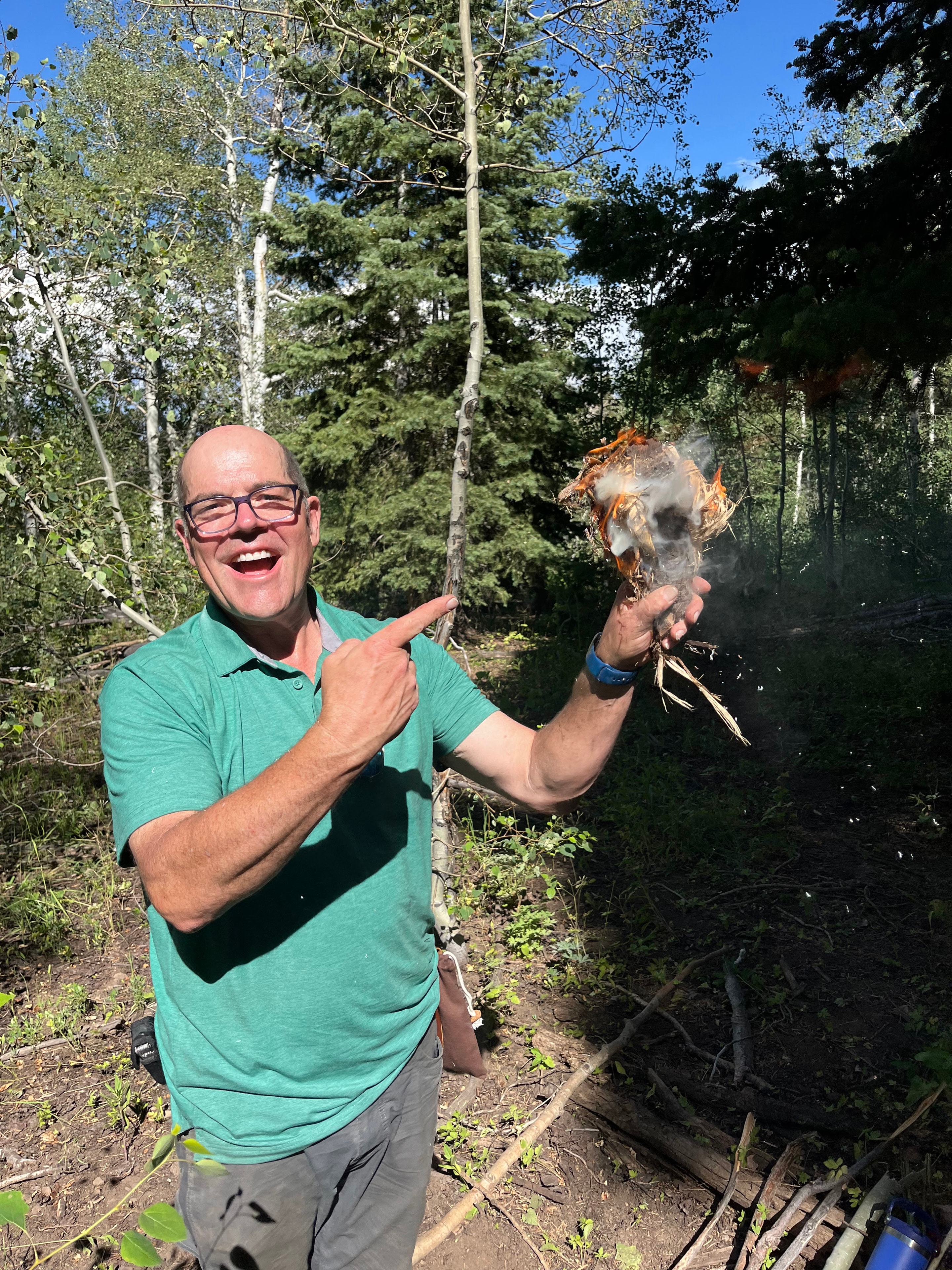
Friction fire mastery
Bow-drill, hand-drill, and other friction fire methods — from kit selection to reliable coal production.
Natural shelter construction
Building long-term shelters entirely from raw materials — no tarps, no modern fasteners.
Cordage from plant fibers
Harvesting, processing, and twisting natural cordage from plant materials found in the field.
Stone tool knapping
Flintknapping fundamentals — shaping stone into functional cutting tools and projectile points.
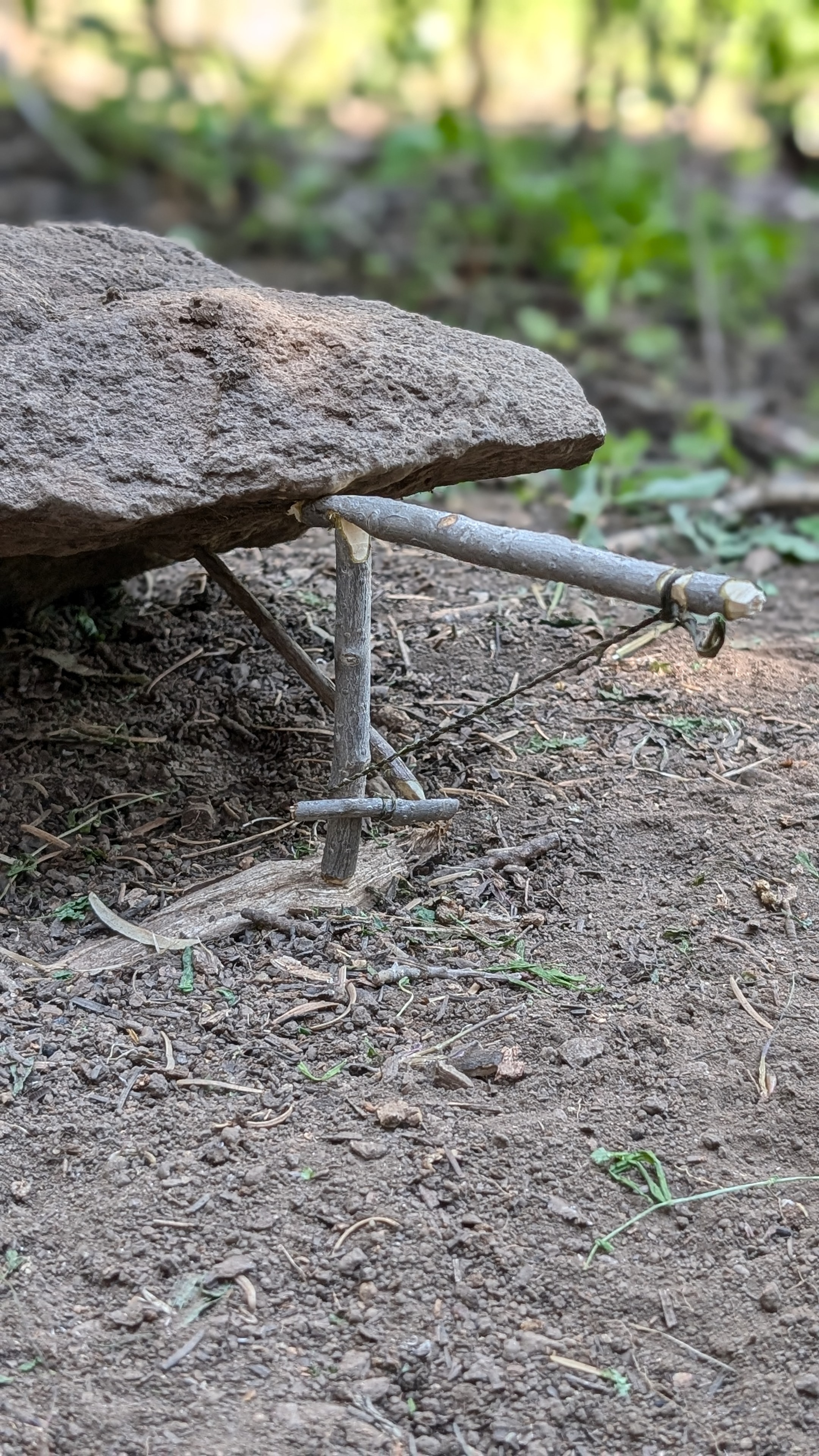
Primitive hunting tools
Atlatl, primitive traps, and snares — construction, use, and the ethics of primitive hunting.
Food procurement
Wild plant foraging, food preparation in the field, and concepts for long-term food sourcing.
Extended wilderness living
Camp organization, resource management, and the mindset required for living in the wilderness long-term.
"The land doesn't care about your gear list. It cares about your knowledge."
What to expect
Ancestral skills focus
This course is built around primitive and ancestral techniques. Modern gear takes a back seat — the land is your supply kit.
Intentionally challenging
Expect physical work, discomfort, and problem-solving. This is not a comfortable weekend — it's a transformative one.
Smallest group size
Maximum 10 students. The advanced nature of the material requires more direct instruction and individual feedback.
Deep immersion
You'll spend the majority of both days working directly with natural materials and primitive methods in the field.
What to bring
At this level, less is more. The point of Primitive Thrival is to reduce dependence on manufactured gear. Bring the basics and leave the gadgets home. A detailed packing list is sent after registration.
Clothing
- Sturdy, well-broken-in boots
- Durable work pants (wool or canvas preferred)
- Wool or synthetic base layer
- Insulating mid layer
- Rain jacket
- Clothes you don't mind destroying
Gear
- Fixed-blade knife (quality matters at this level)
- Water bottle (2L minimum)
- Headlamp with fresh batteries
- Small pack or possibles bag
- Leather gloves (for stone work)
- Eye protection (for knapping)
Food
- Lunch and snacks for both days
- Field-prepared meals are part of the curriculum — dinner is a shared primitive cooking experience
- Coffee or tea if desired
This is the course where your gear list gets shorter, not longer. If you're tempted to bring something 'just in case,' that's probably the thing to leave behind.
Upcoming dates
Dates for the next round of courses are being finalized. Check back soon or send us a message to get on the notification list.
Get notified when dates openFrequently asked questions
Live well with less.
This is the deep end. If you're ready for it, we'll see you in the field.